

Explore How Tiki Cocktails Have Been Influenced by Cultures Worldwide
Tiki cocktails are way more than just rum and fruit juice tossed in a flashy glass. These drinks grew out of a mashup of cultures—Caribbean, Polynesian, and honestly, a bit of everywhere. The result? A cocktail tradition that’s still changing and surprising people. Though tiki culture technically started in 1930s California thanks to folks like Donn Beach and Trader Vic, the drinks themselves are a global patchwork of ingredients, techniques, and flavors that cross continents.
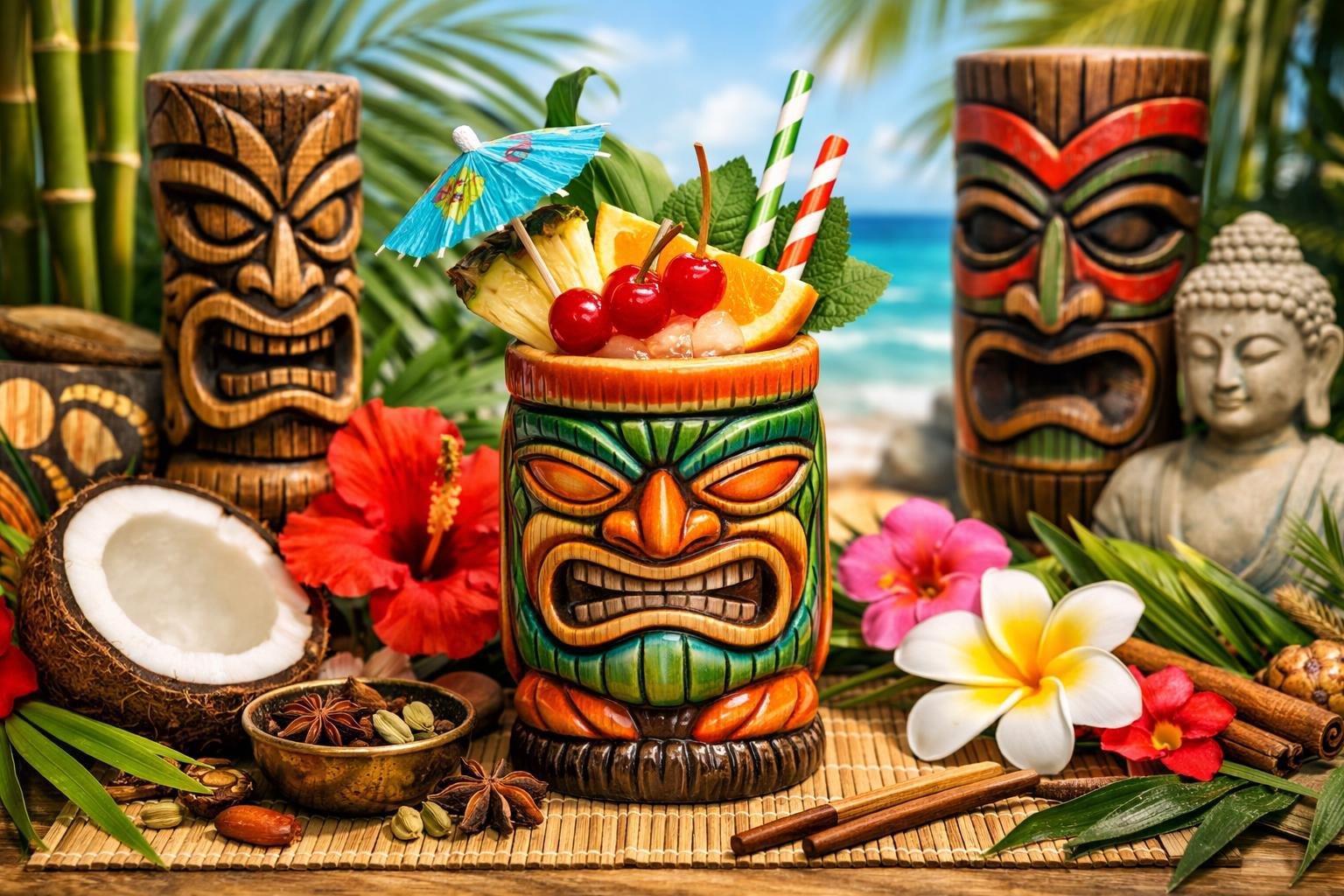
This global angle jumps out once you look at what goes into these drinks. Caribbean rum is the backbone, but then you get citrus from Asia, Pacific island spices, and syrups inspired by everywhere from France to the Middle East. Every culture tossed something into the mix, turning simple drinks into the layered, wild creations we call tiki cocktails.
Peeling back the layers of tiki drinks is like flipping through a scrapbook of cultural exchange and creativity. From the way bartenders build each glass to the surprising ingredients that give these cocktails their punch, tiki culture is a global cocktail movement that keeps evolving as new mixologists add their own spin.
Origins of Tiki Cocktails and Their Cultural Roots
Tiki cocktails first popped up in 1930s California, thanks to a couple of visionary restaurateurs who mashed together Caribbean rum with dreamy, Hollywood-style Polynesian vibes. They borrowed from all over the place and ended up creating a uniquely American take on tropical drinks.
The Role of Don the Beachcomber and Donn Beach
Ernest Raymond Beaumont Gantt—who later called himself Donn Beach—opened Don the Beachcomber in Hollywood back in 1934. That’s pretty much where tiki culture as we know it started.
Donn Beach was known for his complicated rum cocktails, mixing different rums with fresh citrus, exotic spices, and his own syrups. His signature drinks, like the Zombie, were packed with secret ingredients (seriously, he kept his recipes under wraps and even used code names so staff couldn’t copy them).
The bar’s look—bamboo, thatched roofs, carved wooden figures—offered folks a cheap escape from the harsh reality of the Depression. Donn Beach’s style mixed Caribbean rum punch with what he picked up traveling the South Pacific, making drinks that were as theatrical as they were strong.
Trader Vic's Transformative Impact
Victor Jules Bergeron, better known as Trader Vic, opened his Oakland spot in the late 1930s and quickly became Donn Beach’s main rival. He’s the guy who took tiki culture global, spreading it far beyond California.
Trader Vic created the Mai Tai in 1944, which basically became the poster child for tiki cocktails. His recipe? Good aged rum, fresh lime, orange curaçao, orgeat syrup, and a bit of rock candy syrup. The name comes from the Tahitian word "maita'i," which just means good or excellent.
His restaurants popped up all over the U.S. and even internationally, bringing the tiki bar vibe to cities everywhere. He focused on quality ingredients and a polished presentation, but the escapist, fantasy atmosphere was always front and center at tiki bars.
Polynesian and Caribbean Inspirations
Tiki cocktails cherry-picked from all sorts of cultures. The main spirit? Caribbean rum, nodding to the region’s long rum history.
Tiki cocktails pulled in ingredients from everywhere: Caribbean rum, Asian spices, California citrus. Some staples were:
- Orgeat syrup (almond, with a French colonial twist)
- Falernum (spiced syrup from the Caribbean)
- Pineapple and coconut (classic in Hawaiian and Pacific island food)
- Angostura bitters (from Trinidad)
Polynesian influence showed up mostly in the look and feel, not so much in authenticity. "Tiki" actually refers to traditional carved figures with real religious meaning in Polynesia, but Western tiki bars kind of borrowed these symbols for atmosphere. The mugs, bamboo, and tropical decor were more about fantasy than representing any real island culture.
Global Ingredients and Flavors Shaping Tiki Drinks
Tiki drinks get their personality from ingredients that come from all over. Caribbean rum is the base, tropical fruits bring brightness, and special syrups add depth you just can’t fake.
Influence of Rum and Caribbean Spirits
Rum is at the heart of most tiki drinks, with Caribbean distilleries setting the tone for classics like rum punch and navy grog. Dark rum has those deep molasses and caramel flavors. Lighter rums from places like Puerto Rico or Cuba are cleaner—think piña colada territory.
Aged rums lend oak and complexity to drinks like planter’s punch. Overproof rum? It cranks up the intensity and helps balance out all that sweetness. Many recipes actually use more than one rum in a single drink, which is part of what gives tiki cocktails their signature complexity.
Jamaican rums bring a funky, almost overripe quality. Rhum agricole from Martinique is grassy and herbal. Demerara rums from Guyana are earthy and sweet. This variety lets bartenders fine-tune tropical drinks with real personality.
Exotic Juices and Fresh Fruit
Fresh juices are what really make tiki drinks pop. Lime juice is in almost every recipe, cutting through the sweetness. Pineapple juice brings body and that unmistakable tropical vibe.
Orange juice is softer, less tart than lime. Passionfruit juice adds a tangy, floral punch. Grapefruit juice gives bittersweet complexity. All these juices keep tiki cocktails bright and refreshing—it’s just not the same with bottled stuff.
There are Southeast Asian touches, too—coconut cream, lychee. Guava from Latin America, tamarind from Asia... It’s a real mix. But honestly, fresh is the rule. If you cut corners with bottled juice, you’ll taste it.
Key Syrups: Orgeat, Falernum, and Grenadine
Orgeat syrup—almondy, sweet, with a hint of orange flower—started in the Mediterranean before becoming a tiki staple. It’s what gives the Mai Tai its signature flavor.
Falernum is straight from the Caribbean, blending lime, almond, ginger, and clove. It’s spicy, complex, and comes in both boozy and non-alcoholic versions.
Grenadine, when made right from pomegranate, adds color and a tart sweetness. Skip the fake stuff if you can. These syrups work together to create layers of flavor you just can’t get from single ingredients.
Techniques and Presentation: The Art of Tiki Mixology
Tiki mixology isn’t just about what’s in the glass—it’s about how you put it together and how it looks. Balancing different spirits, layering flavors, and nailing the right presentation are what set true tiki drinks apart.
Mixing and Layering Complex Flavors
Tiki cocktails often mix several types of rum, bitters, and exotic syrups, so bartenders have to know their stuff. Flash blending is key for creamy drinks like the Piña Colada. Shaking with crushed ice hits that sweet spot between dilution and strength.
Building flavors means adding ingredients in a certain order—heavier stuff first, lighter spirits and mixers after. Swizzling (using a special stick to stir) helps mix without watering things down.
Some go-to techniques:
- Flash blending for that perfect creamy texture
- Swizzling to blend slowly and evenly
- Float methods for layering overproof rums
- Multiple shakes to bring together ingredients of different thicknesses
Signature Garnishes and Custom Mugs
Garnishes in tiki drinks aren’t just for looks—they add aroma and a bit of drama. Fresh mint, pineapple wedges, orchids, those classic paper umbrellas. Some bartenders go all out with fruit skewers and edible flowers.
Tiki mugs are a whole thing. Each drink has its own ideal mug—Moai heads, skulls, ceramic pineapples. Collectors hunt down vintage mugs from the ‘50s and ‘60s.
The glassware isn’t random, either. A Mai Tai usually goes in a double old-fashioned glass, while a Zombie gets a tall tiki mug. It’s all about the vibe.
Crushed Ice and Creative Glassware
Crushed ice is non-negotiable in tiki. It chills fast, dilutes just enough, and holds up those wild garnishes. Plus, it makes sipping with a straw easy.
Some bars have fancy ice machines, others just bash it up by hand. The goal is fine ice that packs tight but doesn’t turn into mush. That way, the drink stays strong but cold.
Beyond the usual mugs, you’ll see drinks served in ceramic volcanoes, treasure chests, even carved coconuts. The glassware is half the fun—it’s about transporting you somewhere sunny, even if you’re just at your local bar.
Iconic Tiki Cocktails and Signature Recipes
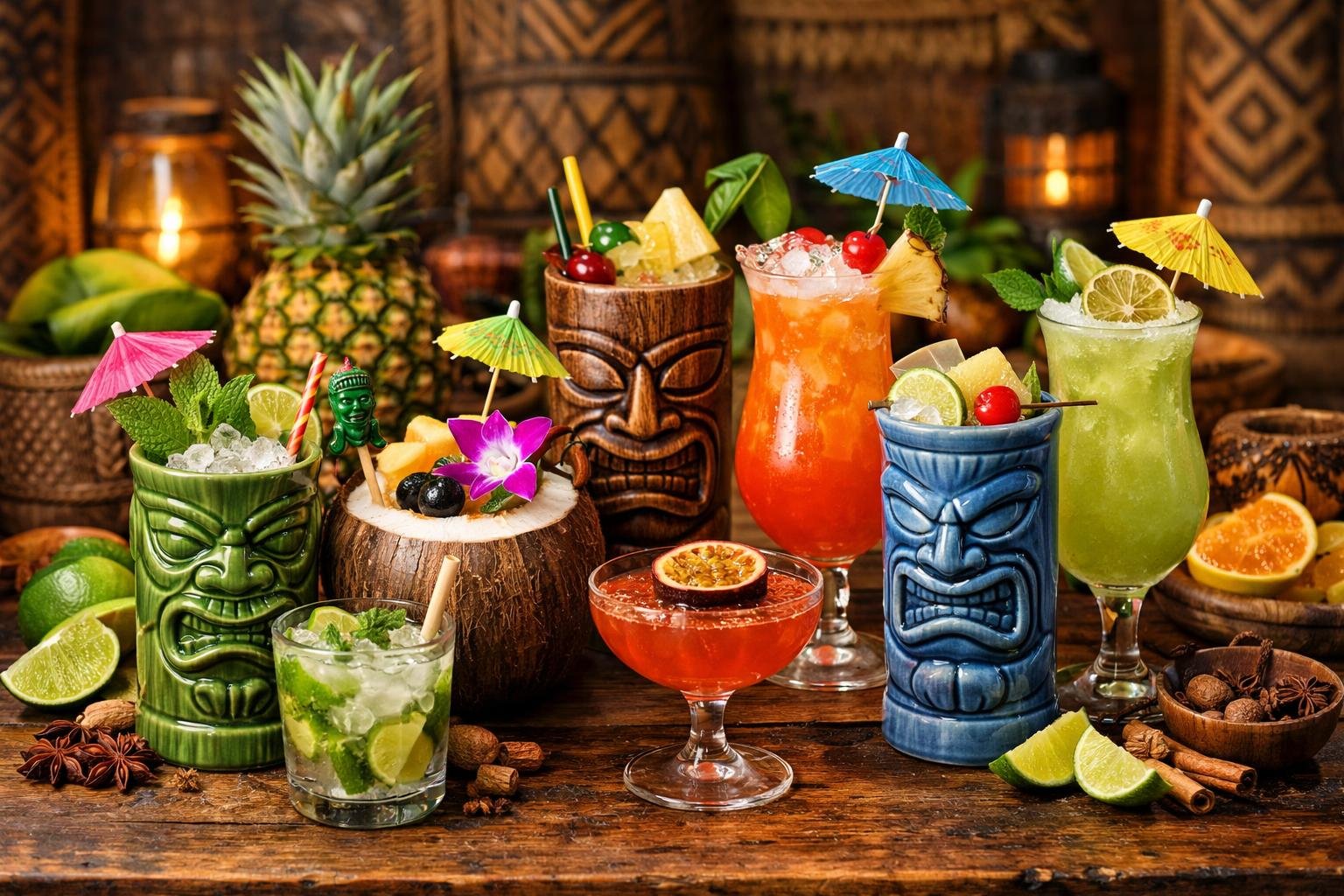
The tiki cocktail tradition revolves around a handful of legendary drinks that have shaped the genre since day one. These classics are all about the creative layering of rums, fresh citrus, and those wild, exotic syrups that make tiki cocktails stand out. Over time, bartenders around the world have put their own spin on these tropical concoctions, expanding the repertoire way beyond its roots.
Mai Tai: The Classic Debate
The Mai Tai is probably the most famous tiki cocktail out there, though its origin story is a bit of a soap opera. Trader Vic said he invented it in 1944 with aged rum, lime juice, orange curaçao, orgeat, and rock candy syrup. Donn Beach, on the other hand, insisted he’d been making something similar even earlier. Who really knows?
The real-deal Mai Tai uses both light and dark rum, fresh lime, orange liqueur, and orgeat almond syrup. Shake it up with crushed ice, then top with mint and a lime shell. That’s the move.
These days, a lot of bars serve a super-sweet version with pineapple juice, which honestly just covers up the balance that makes the drink special. The traditional recipe is all about the rum’s richness, sharp citrus, and a subtle almond sweetness from the orgeat. It’s deceptively simple but, when done right, really highlights the skill behind tropical mixology.
Zombie, Scorpion Bowl, and Fog Cutter
The Zombie is tiki at its most intense and mysterious. Don the Beachcomber whipped up this beast with several kinds of rum, lime, falernum, grenadine, bitters, and just a whisper of absinthe. He was so strict about its strength, he’d only let you order two per night. The recipe was top secret for ages, and some versions use up to six spirits. Wild, right?
The Scorpion Bowl is the ultimate group drink—a big, showy punch with rum, brandy, orgeat, orange liqueur, and citrus, all in a ceramic bowl with a flaming crater in the middle. Some bartenders throw in gin too, making it even more of a boozy punch. Grab some long straws and share with friends.
The Fog Cutter rounds out this trio. It’s got rum, gin, brandy, orange and lemon juice, orgeat, and a float of sherry. Victor Bergeron called it a "fog cutter" to clear your head, though let’s be honest, it probably does the opposite.
Other favorites? Three Dots and a Dash (named for its Morse code garnish), the buttery Pearl Diver with its gardenia mix, and the quirky Q.B. Cooler. All of them show off tiki’s love for mixing multiple spirits and big, tropical flavors into drinks that are way more complex than they look.
International Tiki-Inspired Drinks: Singapore Sling and Beyond
The Singapore Sling is a great example of how other cultures have riffed on the tropical cocktail theme. It was created at Raffles Hotel in Singapore back in 1915—long before American tiki bars—but it shares the same spirit of mixing liquor with fruit and a bit of flair. It’s gin-based, with cherry liqueur, Bénédictine, pineapple, lime, and a splash of grenadine.
Today’s tiki bartenders love to borrow from Southeast Asia. You’ll see ingredients like pandan, lemongrass, and tamarind popping up in new recipes, moving the focus beyond just Caribbean rum and island flavors. Malaysian and Thai spices—think ginger and galangal—bring a whole new layer to tropical cocktails.
The Cobra's Fang is a mashup in a glass: rum, passion fruit, orange, lime, fassionola syrup, and bitters. Caribbean spirit, Pacific fruit, and Asian spice all collide in one drink.
Japanese bartenders have joined the fun, mixing sake or Japanese whisky into tropical drinks. These versions keep all the visual drama and complexity of classic tiki cocktails but swap in new base spirits. Even the Navy Grog, which started out as a triple-rum drink, now inspires riffs with other spirits—always bold, always citrusy, but with a local twist.
Cultural Contributions to the Evolution of Tiki
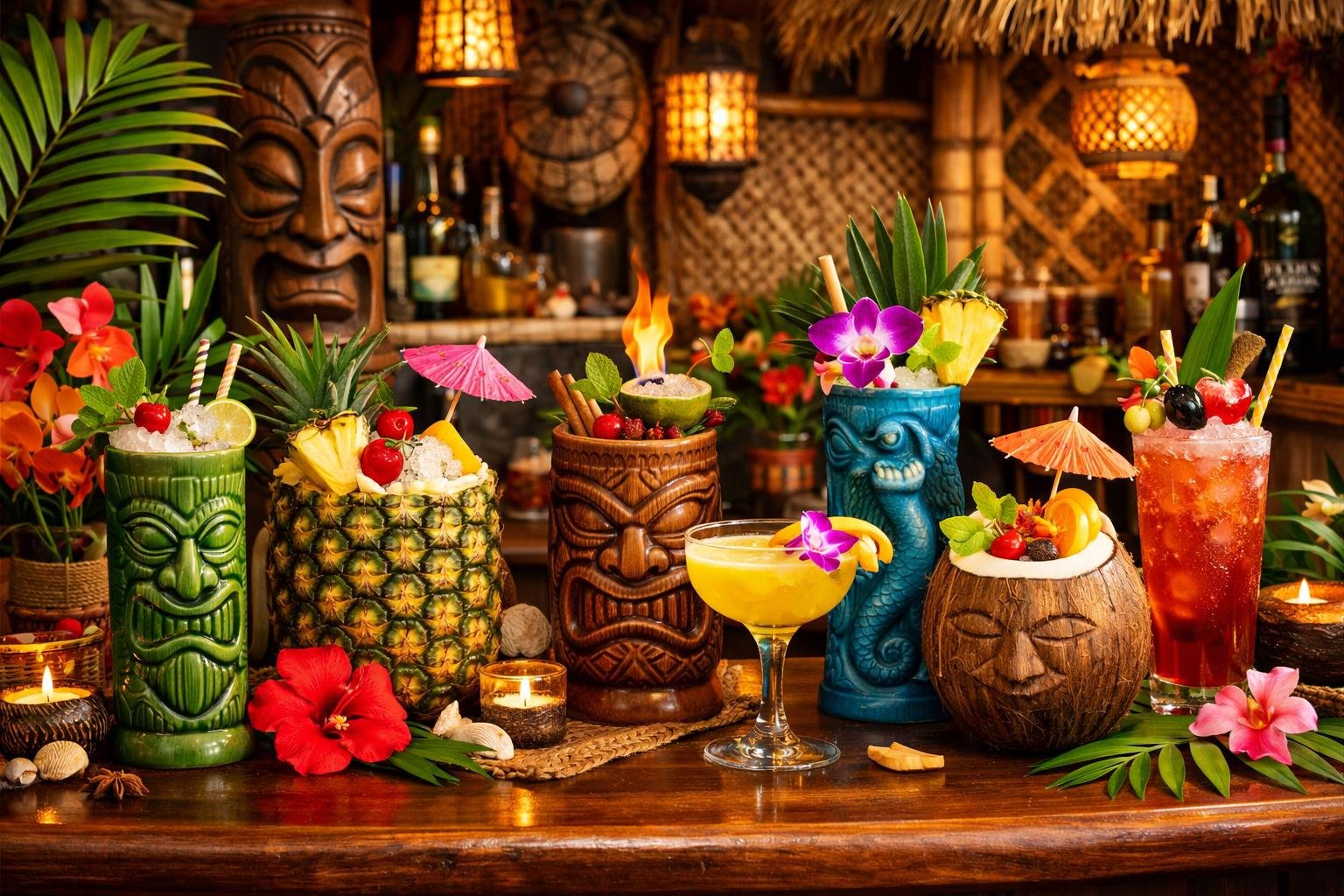
Tiki culture is a blend of American creativity, Caribbean rum, Southeast Asian flavors, and a big dose of Hawaiian tourism. All these influences collided in mid-century America, and something totally new was born from the mix.
American Innovation and Hollywood's Role
Tiki culture kicked off in 1930s California when Donn Beach opened Don the Beachcomber in Hollywood in 1934. He basically invented the idea of a Polynesian escape, combining Caribbean rum drinks with over-the-top décor. Trader Vic followed in Oakland and took the concept global.
Hollywood gave tiki bars a huge boost. Movie stars hung out there, making them the place to be. The whole entertainment scene bought into the tropical fantasy these spots sold.
American bartenders pushed things further, turning simple rum drinks into layered, complex cocktails with wild garnishes. The Polynesian pop craze took off as folks looked for a bit of escape and adventure—without leaving home.
Musicians like Martin Denny and Les Baxter cranked out exotica tunes that set the mood for tiki bars. Thor Heyerdahl’s Kon-Tiki expedition in 1947 just added to the obsession with Polynesian adventure.
Caribbean and Southeast Asian Influences
Caribbean rum is the backbone of every tiki drink. Light, dark, aged, spiced—Jamaica, Puerto Rico, you name it—all these rums gave tiki its punch. Caribbean rum punches inspired Donn Beach’s earliest creations.
Southeast Asian ingredients brought new depth to tiki. Spices from the region found their way into countless recipes. Some favorites:
- Cinnamon and nutmeg for warmth
- Star anise for a licorice kick
- Ginger for a bit of heat
- Pandan leaves for aroma
These flavors set tiki cocktails apart from your average mixed drink. Bartenders loved mixing and matching ingredients from all over the tropics to create something unique every time.
Tourism, Luaus, and Hawaiian Pop Culture
After World War II, Hawaiian tourism exploded—soldiers came back with stories of paradise. Hotels built elaborate luaus with hula shows and Polynesian mythology. These events brought Hawaiian culture to the mainland, even if it was a bit of a Hollywood version.
Backyard luaus became a thing in the '50s and '60s. Families threw parties in Hawaiian shirts, served tiki drinks, and filled their yards with tiki statues. It was all about capturing that island vibe, even in suburbia.
Pineapple and coconut—thanks to Hawaii—became tiki staples. Fresh pineapple juice and coconut cream gave drinks their signature tropical flavor. The Mai Tai, even though it was born in California, used these ingredients to conjure up visions of palm trees and sandy beaches.
Modern Revival and Global Spread of Tiki Cocktails
Tiki cocktails made a big comeback in the early 2000s, as craft bartenders started digging into the real artistry behind these drinks. This modern tiki revival brought better craftsmanship and a fresh, global outlook—and, thankfully, a bit more cultural awareness.
The Rise of Contemporary Tiki Bars
The craft cocktail boom got people excited about authentic tiki again. Modern tiki bars started caring more about top-notch ingredients and technique, ditching some of the kitsch that used to define the scene.
Smuggler’s Cove in San Francisco set the bar high, focusing on accurate recipes and killer rums. Their commitment to education helped bartenders everywhere get why these drinks are so special.
Three Dots and a Dash in Chicago made a splash for its theatrical drinks and obsessive attention to detail. These places proved you can respect tiki’s roots and still make it feel fresh. Even tiki mugs have become collectible art instead of just tacky novelties—kind of cool, honestly.
Innovation by Modern Mixologists
Today’s bartenders love to experiment, adding mezcal, gin, or Japanese whisky alongside classic rums. The global flavor game is strong.
Gone are the days of neon syrups and shortcuts. Bartenders now make their own orgeat, falernum, and grenadine from scratch. That shift has turned tiki from a sugary novelty into a respected part of the craft cocktail world.
Thanks to social media, home bartenders everywhere can swap recipes and show off their creations. Now, people in Europe, Asia, or South America can mix up legit tiki drinks at home—no tiki bar required.
Balancing Authenticity and Cultural Sensitivity
Modern tiki culture wrestles with how to respect the Polynesian and Caribbean roots that inspired these drinks. It’s no secret that early tiki bars borrowed cultural elements, often without much thought for their real meaning.
These days, some bars try to educate guests about the histories and traditions behind tropical ingredients and the whole aesthetic. A few even bring in cultural experts to help avoid stereotypes, which—honestly—seems like a smart move. Others stick to the craft of mixology but stay open about tiki’s tangled cultural past.
The evolution of tiki drinks is still in motion, as bartenders aim to honor genuine flavors and techniques while not glossing over past missteps.