

Eco-Conscious Tips for Using Sustainable Ingredients and Supplies in Tiki Cocktails & Your Home Bar
Tiki cocktails are all about big flavors and playful, over-the-top presentation. But let’s be honest—between the single-use umbrellas, imported fruit, and piles of leftover peels, they can churn out a surprising amount of waste. The bright side? You don’t have to give up the fun (or flavor) to make your home tiki bar a lot greener.
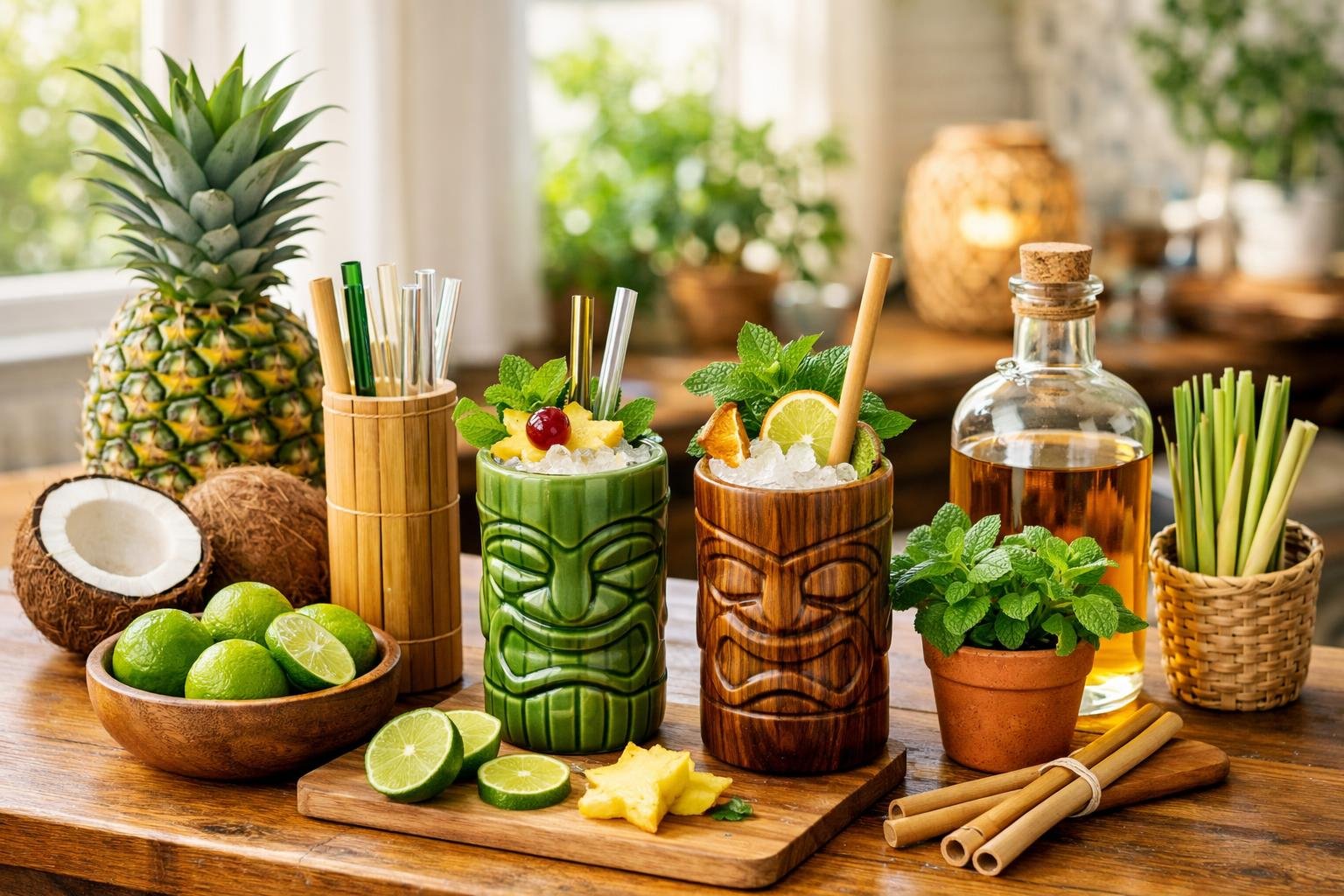
Making sustainable tiki cocktails at home is mostly about using local ingredients, cutting down on waste, and swapping out disposables for reusable bar gear. Sustainable cocktail making isn’t just good for the planet—it often leads to tastier, more creative drinks too.
This guide digs into how to build a more eco-conscious tiki bar at home. You’ll find tips on sourcing ingredients, reducing waste, picking sustainable tools, growing your own garnishes, and even a few recipes to prove that eco-friendly cocktails can be every bit as wild and vibrant as the classics.
Sourcing Sustainable Ingredients for Eco-Friendly Tiki Cocktails
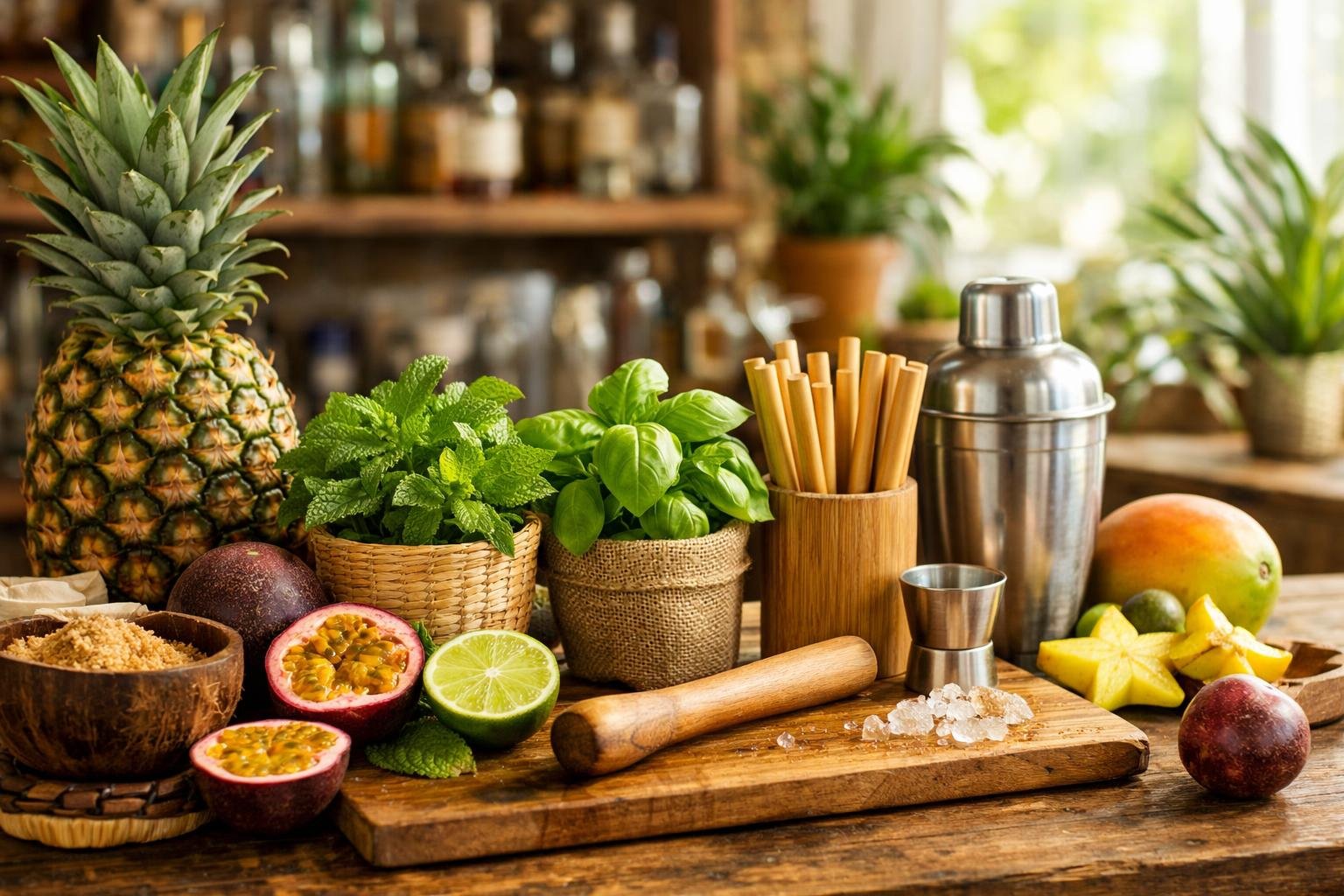
It all starts with what goes in your shaker. Choosing local and seasonal produce, organic spirits, and getting to know your area’s farmers markets can shrink your environmental footprint and make for some pretty outstanding drinks.
Prioritizing Locally Sourced and Seasonal Produce
Locally-produced spirits and ingredients cut down on the emissions from shipping and also support businesses nearby. Can’t get fresh mango? Try peaches or apricots in the summer—they’re surprisingly close in flavor and just as juicy.
Using what’s in season means fresher, better-tasting drinks. Spring brings in herbs like mint and basil—great for a mojito riff. Summer’s all about berries for a rum punch. When autumn rolls around, apples and pears can totally transform a tiki recipe.
Winter? Reach for local citrus or pomegranate instead of pineapple and passionfruit. It’s a little different, but honestly, sometimes those swaps are what make a drink memorable.
Choosing Organic and Fair-Trade Spirits
Organic spirits are produced without harmful pesticides that wreck soil and water systems. Plenty of distilleries are also cutting down on water use and switching to renewable energy. Some even offset their carbon footprint entirely.
Rum is the heart of most tiki drinks, so if you can, look for organic or fair-trade options. Fair-trade rums mean better conditions for sugarcane workers and, often, a better-tasting spirit. Keep an eye out for bottles marked USDA Organic, Fair Trade Certified, or B Corp—they’re your best bet for truly sustainable spirits. Some craft distilleries even use recycled glass bottles or biodegradable labels, which is a nice touch.
Collaborating With Local Producers and Farmers Markets
Farmers markets are a goldmine for fresh herbs, fruit, and edible flowers. Plus, you get to actually chat with the people growing your ingredients. Ask about their practices, or see if they have any interesting varieties you can use in your next batch of drinks.
If you’re lucky enough to live near an orchard or herb farm, you might be able to set up a regular supply. Buying in bulk cuts down on packaging, and some farmers will even take back your compost if you ask. That’s a win-win.
Supporting sustainable brands and local businesses just feels good. Local honey is perfect for syrups, and small-batch bitters makers often use regional botanicals for unique flavors. These little partnerships can really level up your drinks while keeping things planet-friendly.
Zero-Waste Techniques and Sustainable Mixology Practices
Mixing up tiki cocktails with a zero-waste mindset isn’t as hard as it sounds. It’s about stretching every ingredient, finding clever uses for scraps, and prepping smarter—not harder.
Utilizing Whole Ingredients and Minimizing Food Waste
The basics of sustainable mixology at home? Use it all. Pineapple cores can be tossed into rum for infusions. Citrus peels are packed with flavor—candy them, dry them for garnishes, or steep them in syrups.
Don’t sleep on veggie scraps, either. Carrot tops make a surprisingly good vodka infusion. Ginger peels add a spicy kick to syrups. If you’re cracking open a coconut, use the water in your drinks and save the shell as a mug.
Measure carefully so you don’t end up with too much juice. Any extra can go in ice cube trays for later. With herbs, muddle the leaves and save the stems for infusions or syrups—no need to toss them right away.
Creative Use of Garnishes and Repurposing Scraps
Zero-waste cocktails really shine when garnishes do double duty. Used lime halves make fun little shot cups. Pineapple fronds? Don’t throw them out—they’re dramatic, free garnishes.
Dehydrated citrus slices from leftover ends look great and last for ages. Banana peels can be candied and used as stirrers or to rim glasses—sounds odd, but it works. Even coffee grounds can be steeped into syrups for a subtle depth, and spent vanilla pods can be dried and ground into rimming sugar. Papaya seeds? Dry them out and sprinkle for a peppery finish on a savory tiki drink. Why not?
Batching, Infusions, and House-Made Mixers
Batching sustainable cocktails is a game changer. Throw fruit scraps, herb stems, or leftover spices into infusions or syrups—less waste, more flavor. Make a big batch of passion fruit syrup with the pulp and seeds, and you’ll be set for the week.
Homemade orgeat, falernum, and grenadine taste fresher than store-bought and ditch the single-use plastic. You get to control what goes in, and prepping a larger batch means less water and energy compared to mixing up every drink one by one.
Popular Tiki Batch Ideas:
- Citrus cordials from peels and juice
- Spiced syrups with whole spices
- Fruit shrubs using all parts of the fruit
- Herb-infused spirits from stems and leaves
Composting and Responsible Waste Management
A countertop compost bin is a simple way to close the loop. Toss in fruit rinds, herb stems, and other organic scraps. In a few weeks, you’ve got rich soil for your own herb garden—kind of satisfying, honestly.
Can’t compost everything? Recycle what you can. Rinse glass bottles, sort aluminum cans, and stick to paper or bamboo straws—they’ll break down naturally, unlike plastic. Bamboo picks are a nice upgrade, too.
It’s worth keeping an eye on what you toss. That way, you’ll spot patterns—maybe you always have leftover limes, or you’re buying more than you need. Adjusting your shopping and menu can cut down waste even more.
Building a Sustainable Home Bar and Choosing Eco-Conscious Supplies
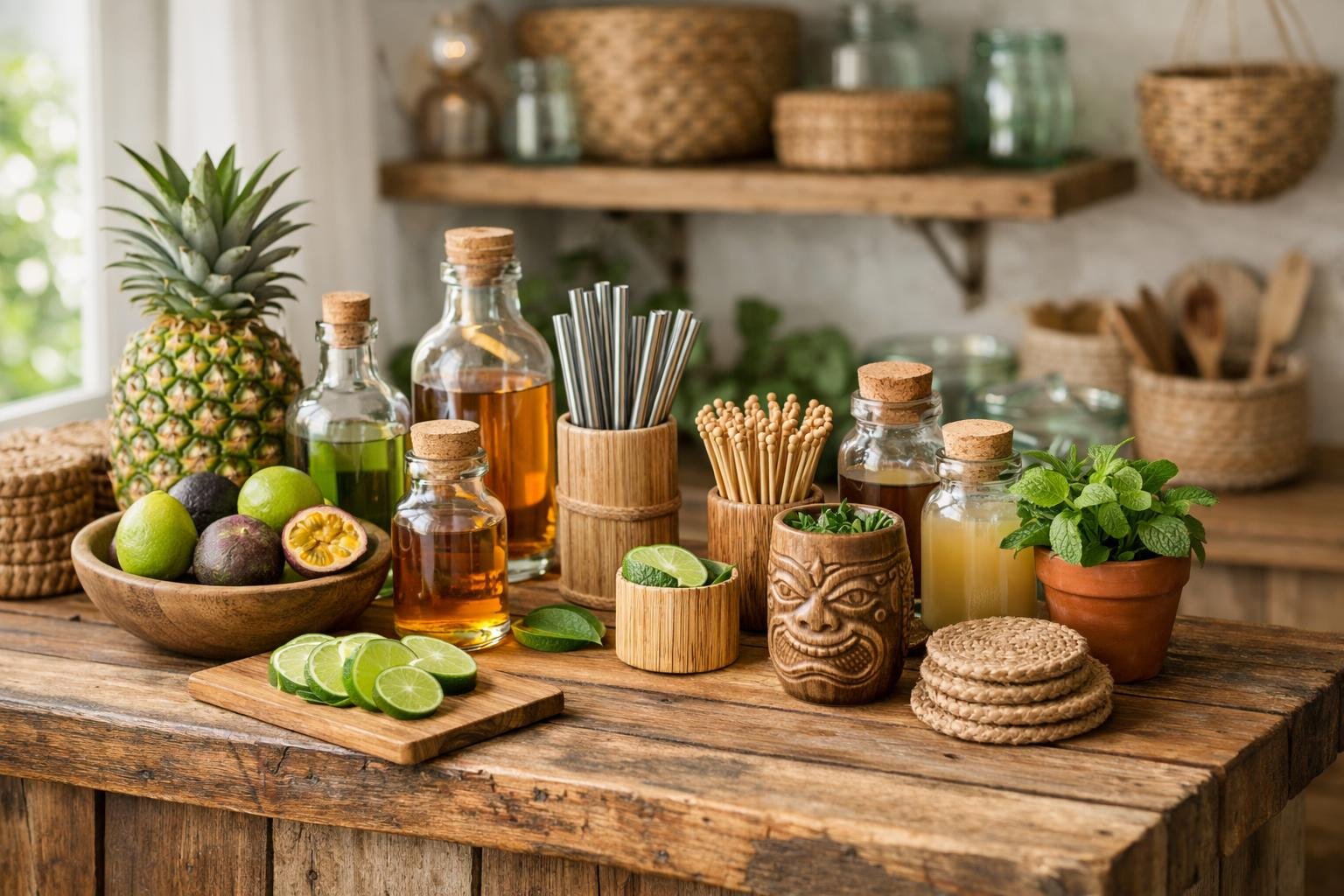
Setting up an eco-friendly tiki bar is mostly about picking tools and glassware that last. Stainless steel, bamboo, and recycled glass are your friends. And if you like a little character, upcycling old finds into bar gear brings a unique vibe you just can’t buy new.
Selecting Durable Barware and Reusable Tools
Sustainable barware—think stainless steel, bamboo, and recycled glass—means you can ditch the disposable plastics for good. Shakers, muddlers, jiggers, and bar spoons in these materials will hold up for years, even with heavy use.
Stainless steel doesn’t rust and shrugs off citrus juice. Bamboo is naturally antimicrobial and grows fast, so it’s a renewable pick for muddlers and spoons.
Recycled glass pitchers and mixing glasses look great and don’t require new resources. They often have little quirks from their previous lives, which honestly adds to the charm. Investing in quality eco-conscious barware pays off, since you won’t need to replace things all the time.
Sustainable Alternatives: Metal, Bamboo, and Paper Straws
Metal straws are probably the most practical for tiki drinks—they’re tough, easy to clean, and come in sizes big enough for chunky garnishes and crushed ice. Paper straws break down fast but can get soggy, so they’re better for quick events. Bamboo splits the difference: sturdy, reusable, and they look right at home in a tropical drink.
Each type has its place. Metal straws need a brush for cleaning but last forever. Paper is single-use and compostable. Bamboo is reusable, easy on the eyes, and fits the tiki look perfectly.
Upcycling and Repurposing Glassware and Decor
Vintage glassware from thrift stores is a treasure trove for tiki mugs and hurricane glasses—often with authentic mid-century designs you just can’t find new. Plus, it keeps stuff out of landfills.
Old wine crates can be wall-mounted for bottle storage. Pallet wood or scraps from construction projects can become unique shelves. Mason jars double as mixing glasses or storage for garnishes and syrups.
Got empty spirit bottles? They work as vases for tropical flowers, or you can cut them into drinking glasses if you’re handy. Vintage bar carts from estate sales just need a little TLC to become the star of your setup. These repurposed materials give your bar a one-of-a-kind feel you won’t get from anything mass-produced.
Garden-to-Glass: Growing and Foraging Ingredients at Home
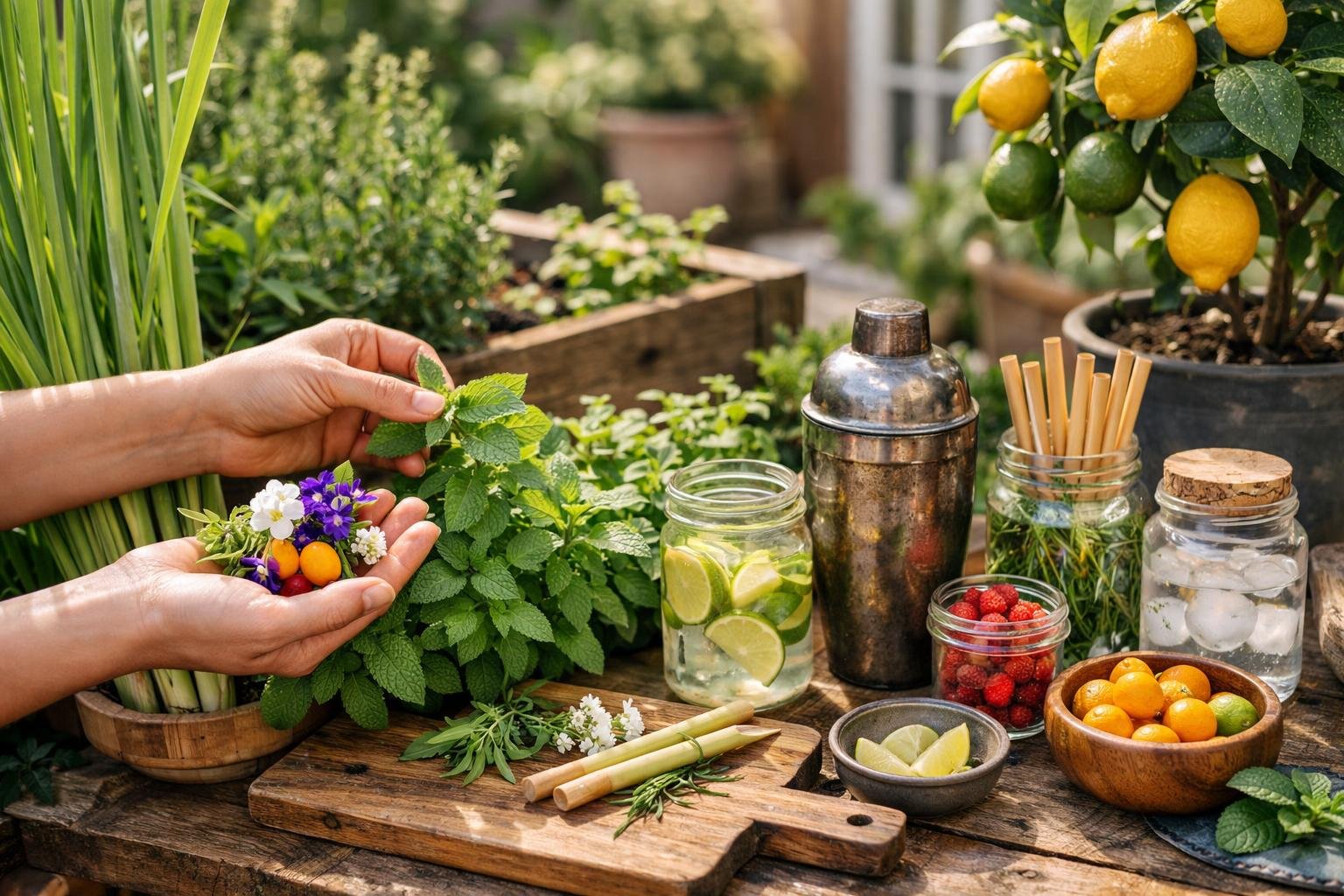
Growing your own herbs and edible botanicals at home slashes transportation costs and packaging waste, and nothing beats the flavor you get from freshly picked ingredients in tiki cocktails. Even a tiny garden or a few pots on a windowsill can keep you stocked with garnishes, fruits, and microgreens all year for more sustainable home bartending.
Starting a Home Herb Garden for Fresh Garnishes
Mint, basil, and other herbs are at the heart of countless tiki drinks. They’re surprisingly easy to grow in small spaces—think balconies, patios, or just a sunny windowsill. If you’re just starting, go for classics like spearmint for mojitos or Thai basil for anything tropical. You’ll see results pretty quickly.
Container gardening is especially handy for herbs. It lets you control the soil and drainage, which makes life easier for both you and your plants. Each herb should have a pot that’s at least six inches deep, and don’t forget drainage holes. Mint, in particular, tends to take over, so it’s best to give it its own pot.
Most cocktail herbs want about 4-6 hours of sunlight a day. Water them when the soil’s dry about an inch down. Snipping leaves regularly keeps the plants bushy and productive—plus, you’ll always have fresh herbs for your drinks.
A basic garden-to-glass herb selection might look like:
- Mint varieties - spearmint, peppermint, chocolate mint
- Basil types - Thai basil, lemon basil, holy basil
- Citrus herbs - lemongrass, lemon verbena
- Aromatic additions - rosemary, thyme, cilantro
Foraging Edible Flowers and Botanicals
Wild and homegrown botanicals can bring a whole new dimension to tiki cocktails. Edible flowers—like hibiscus, lavender, and nasturtiums—are easy to grow or sometimes just pop up in the wild. They’re perfect for homemade syrups, garnishes, and infusions, and you don’t have to rely on store-bought options.
Safe foraging practices are non-negotiable: always know what you’re picking. Steer clear of roadsides, treated lawns, or anywhere that looks questionable. Take only what you need and leave enough behind for the plants to recover.
Some favorites for tiki drinks: hibiscus brings tartness, elderflower is sweet and floral, and violets make for delicate garnishes. Nasturtiums? They add a neat peppery kick to spiced rum cocktails. Rinse all flowers gently and use them fresh, or dry a batch for later.
Cultivating Fruits and Microgreens for Cocktails
Growing fruit on a small scale gives you fresh ingredients for muddling, juicing, and garnishing. Dwarf citrus trees do well in pots and give you lemons, limes, and oranges right at home. Strawberries, raspberries, even pineapples (if you’re patient) can work in tight spaces.
Microgreens are a quick win—they go from seed to harvest in a week or two. These little greens bring both flavor and color. Pea shoots add sweetness, radish microgreens bring a bit of spice, and shiso gives a Japanese twist to tropical drinks.
For microgreens, all you need is a shallow tray, some organic potting soil, and seeds. Scatter the seeds thickly, keep the soil moist, and mist daily. Most are ready to snip when they hit 2-3 inches tall. You can keep this cycle going week after week, so there’s always something fresh on hand.
Seasonal & Signature Sustainable Tiki Cocktail Recipes
Tiki cocktails can be a lot more eco-friendly than you might think. Techniques like making your own citrus flavor boosters and picking sustainable cocktail recipes help cut waste and still bring those bold, tropical flavors.
Incorporating Oleo Saccharum and Citrus Shrub for Flavour
Oleo saccharum is a game-changer—it turns citrus peels into a rich syrup instead of letting them go to waste. Just muddle peels with sugar to pull out the essential oils, then let the mix sit until it becomes a fragrant, sweet liquid.
This method is tailor-made for tiki drinks loaded with citrus. Lime, lemon, orange peels—each brings its own twist.
Citrus shrub is another trick: combine leftover fruit with vinegar and sugar to make a tangy mixer. The acid preserves the fruit and creates a complex flavor that stands in for fresh juice. Shrubs will keep in the fridge for weeks.
Both of these approaches use up parts of fruit most folks would just toss. The flavors are so concentrated, you don’t need much to make a big impact in your drinks.
Featuring Sustainable Cocktail Recipes from Leading Innovators
Eco-friendly cocktail recipes often use the whole ingredient, not just the usual bits. Modern mixologists are making tiki drinks with pineapple cores, coconut water from fresh coconuts, and even using citrus shells as cups.
Zero-Waste Tropical Punch:
- Muddle pineapple core with demerara sugar
- Add rum infused with leftover citrus peels
- Top with coconut water from fresh coconuts
- Garnish with edible flowers or herb sprigs
Some bartenders take a “highland” approach—using locally foraged botanicals and eco-conscious liqueurs that still fit the tropical vibe. Swapping in local spirits and picking brands with sustainable practices just makes sense.
Even garnishes get an upgrade: dried pineapple, dehydrated citrus wheels, and fresh herbs beat plastic umbrellas and paper straws any day.
Showcasing Seasonal Cocktails With Minimal Environmental Impact
Seasonal cocktails in tiki style shift with what’s growing nearby. Summer? Go wild with berries and stone fruits. Winter’s great for spiced syrups made from apples or pears you can actually find locally.
Spring might bring a strawberry-rhubarb shrub with mint, while fall calls for persimmon, fig, or pomegranate from a local orchard. These sustainable drinks just taste brighter and fresher because they haven’t traveled far.
Making big batches of syrup or infused spirits at once saves energy and effort. You can even crush ice by hand if you want to skip the electric gadgets.
It’s worth checking out your local farmers market for tropical-adjacent fruits grown nearby. Passion fruit, guava, and certain citrus types can sometimes be found in warmer regions of the country. Going local cuts down on transport emissions and helps support small growers.
Championing Sustainable Bartending: Influencers, Brands, and Movements
Some bartenders and bars have really pushed eco-friendly practices forward, and now a bunch of spirit brands are getting on board too. They’re backing sustainable bartending with new products and programs.
Pioneers in Sustainable Cocktails and Bars
White Lyan in London ditched ice and citrus waste entirely, relying on clarified juices and pre-batched drinks to shrink their environmental footprint—but the cocktails still wowed. Iain Griffiths, for example, keeps pushing for less waste behind the bar, finding ways to use every scrap and rethink what usually gets tossed.
Kelsey Ramage helped launch Trash Tiki, a project that proves you can make killer cocktails from what most people would trash. They’ve held events around the world and trained bartenders in zero-waste techniques. It’s proof that eco-friendly bartending isn’t just theory—it works in busy bars, too.
Highlighting Brands Leading the Eco-Friendly Movement
More spirit brands are taking sustainability seriously. Bacardi, for instance, has moved to more sustainable sourcing and cut back on plastic packaging.
Some distilleries run on renewable energy and use less water, while others go for organic certification or even carbon-neutral status.
Brands in the zero waste mixology movement share recipes and tips, helping bartenders cut waste while still making great drinks. When you’re shopping, look for labels like organic, fair trade, or B Corp—they’re a decent sign the company’s actually walking the walk, not just talking green for marketing’s sake.
Community Resources and Further Inspiration
Professional organizations are rolling out training programs focused on sustainable bartending. Online platforms are packed with sustainable cocktail recipes and guides for eco-friendly practices—worth a look if you're curious or just want to shake things up.
Social media groups bring bartenders together, swapping tips on composting, ingredient reuse, and even which vendors are actually walking the talk. Industry conferences are catching on too, with more sessions dedicated to sustainability popping up every year.
Educational sites break down how to turn scraps into syrups, dehydrate your own garnishes, or set up a little herb garden behind the bar. A lot of these resources are free—no gatekeeping here, whether you’re a pro or just mixing at home. Trade publications also spotlight bartenders who've pulled off greener bar operations, sharing practical ideas that actually work in real life.
-Mohalo!
Dave