

A Guide to the Tools Needed for Mixing Cocktails Like a Pro: Essential Equipment and Expert Tips
Making cocktails at home requires more than just good spirits and fresh ingredients. The right bar tools transform amateur drink-making into professional-quality mixology, with essential equipment like shakers, jiggers, strainers, and bar spoons forming the foundation of any well-equipped home bar. Understanding which cocktail tools to purchase first helps beginners avoid wasting money on unnecessary gadgets while ensuring they have what they need to craft balanced, well-made drinks.
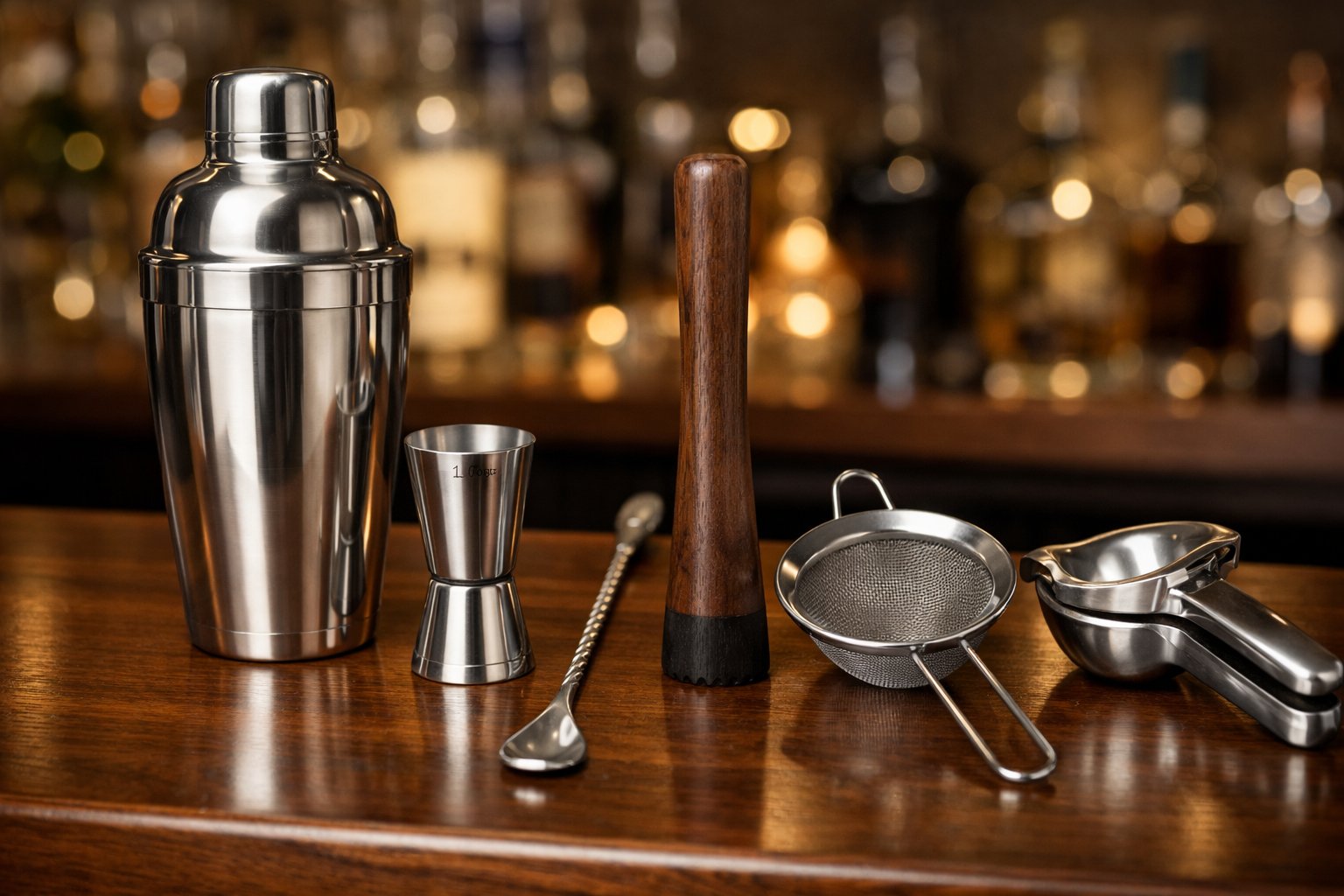
The difference between a watery margarita and a perfectly chilled one often comes down to technique and tools. A proper shaker chills drinks quickly without over-diluting them. A quality jigger ensures accurate measurements for balanced flavors. The right strainer keeps ice chips out of the finished cocktail.
Building a home bar setup doesn't require buying everything at once. Starting with core tools allows anyone to make most classic cocktails while learning proper techniques. From selecting between different types of shakers to choosing the right glassware for each drink, this guide covers the essential equipment needed to mix cocktails with confidence and precision.
Core Bar Tools for Professional Cocktail Mixing
Professional cocktail mixing requires three fundamental tools that determine the quality of every drink. The right shaker ensures proper dilution and temperature, precise jiggers guarantee balanced flavors, and a proper mixing glass creates silky-smooth stirred cocktails.
Cocktail Shakers and Their Types
A cocktail shaker serves as the primary mixing vessel for drinks that require vigorous agitation. Three main types dominate professional bars, each with distinct advantages.
The Boston shaker consists of two pieces: a metal tin and either a smaller tin or glass. This design holds approximately 28 ounces, making it ideal for batching multiple drinks. The tins stack inside each other for efficient storage and clean easily. Bartenders must use a separate strainer with this shaker.
The Cobbler shaker features three parts: a base, built-in strainer, and cap. The integrated strainer eliminates the need for additional tools, but the smaller capacity limits production volume. This shaker struggles with egg white cocktails due to reduced space for proper emulsification.
The French shaker (Parisian shaker) combines two metal pieces without a built-in strainer. It creates the tightest seal of all three types, preventing spillage during vigorous shaking. The tight seal can make separation difficult after shaking, requiring a firm twist to open.
Importance of Jiggers for Accurate Measuring
Jiggers provide precise measurements that separate amateur mixing from professional cocktails. These double-sided measuring tools ensure consistent flavor profiles across every drink.
Standard jiggers typically measure 2 ounces on one side and 1 ounce on the other. Interior measurement lines mark common increments like 0.5, 0.75, and 1.5 ounces. The bartender fills the jigger to the desired line and pours the entire contents into the shaker.
Japanese jiggers feature a sleeker design with interior markings for multiple measurements. Their elongated shape and weighted feel provide better control during rapid service. Many professionals prefer these for their balance and aesthetic appeal.
Free pouring without measuring tools produces inconsistent drinks that vary in strength and taste. A jigger guarantees each cocktail matches the recipe exactly, maintaining quality standards drink after drink.
Mixing Glasses for Stirred Cocktails
Mixing glasses serve as the vessel for cocktails that require gentle stirring rather than aggressive shaking. These drinks typically contain only spirits and should remain crystal clear.
A proper mixing glass holds 16 to 24 ounces and features a wide mouth for easy ice addition. The thick glass walls resist temperature changes and prevent the bartender's hand from warming the cocktail. A pour spout integrated into the rim allows controlled, drip-free pouring into the serving glass.
Key cocktails requiring a mixing glass:
- Manhattan
- Martini
- Negroni
- Old Fashioned (when stirred)
The mixing glass works alongside a bar spoon and strainer. A kitchen tumbler can substitute in home settings, but dedicated mixing glasses with pour spouts provide better control and presentation. The transparent glass lets the bartender monitor dilution by watching ice breakdown during stirring.
Essential Tools for Shaking, Stirring, and Straining
The right equipment makes the difference between a mediocre drink and a professional-quality cocktail. Bar spoons enable precise stirring techniques, strainers remove ice and pulp for clean pours, and muddlers release essential oils from fresh ingredients.
Bar Spoons and Their Role in Stirring Cocktails
A bar spoon is a long-handled spoon designed specifically for stirring cocktails in tall mixing glasses. The extended handle, typically 10 to 12 inches long, allows bartenders to reach the bottom of a mixing glass while keeping their hand away from the drink.
Most bar spoons feature a twisted handle that serves multiple purposes. The spiral design helps the spoon rotate smoothly between fingers during stirring. It also provides better grip and control.
The three main types include:
- Teardrop bar spoons with a flat, teardrop-shaped end for muddling
- Trident bar spoons featuring a three-pronged fork for spearing garnishes
- European bar spoons with a simple disc end for layering drinks
Stirring cocktails requires a gentle, smooth motion to chill and dilute the drink without adding air bubbles. Spirit-forward drinks like martinis and Manhattans benefit from proper stirring techniques with the right bar spoon. The goal is to achieve proper dilution and temperature while maintaining a silky texture.
Types of Cocktail Strainers
Cocktail strainers prevent ice, fruit pulp, and other solid ingredients from entering the finished drink. Each strainer type serves specific purposes based on the mixing method and desired result.
The Hawthorne strainer is the most versatile option for home bartenders. It features a coiled spring around its perimeter that fits snugly over a shaker tin or mixing glass. The spring catches ice chunks and larger particles while allowing liquid to flow through. This strainer works best for shaken cocktails.
A julep strainer resembles a large slotted spoon with a handle. It fits inside a mixing glass and works best for stirred drinks. The curved bowl shape sits flush against the glass, holding back ice while the bartender pours.
The fine mesh strainer (also called a fine-mesh strainer) provides an extra layer of filtration. Bartenders use it alongside a Hawthorne or julep strainer in a technique called double-straining. This removes tiny ice shards, fruit pulp, and herb particles to create crystal-clear cocktails.
Using the appropriate cocktail strainer ensures the proper texture and appearance for each drink style.
Choosing and Using Muddlers
Muddlers are thick sticks used to crush and press ingredients like herbs, fruits, and sugar in the bottom of a glass. This process releases essential oils, juices, and flavors that become the foundation of many classic cocktails.
Material choices include:
- Wood muddlers absorb flavors over time and provide good grip
- Stainless steel muddlers are easy to clean and won't absorb odors
- Plastic muddlers offer an affordable, dishwasher-safe option
The end shape matters for different ingredients. Flat-headed muddlers work well for herbs like mint and basil, pressing them gently to release oils without tearing the leaves. Toothed or textured muddlers crush harder ingredients like sugar cubes and citrus rinds more effectively.
When using a muddler, bartenders should press and twist rather than pound aggressively. Gentle muddling of fresh ingredients preserves delicate flavors and prevents bitter compounds from being released. The proper technique involves two or three firm presses for herbs and more vigorous action for fruits and sugar.
Specialty Tools for Ice and Citrus Preparation
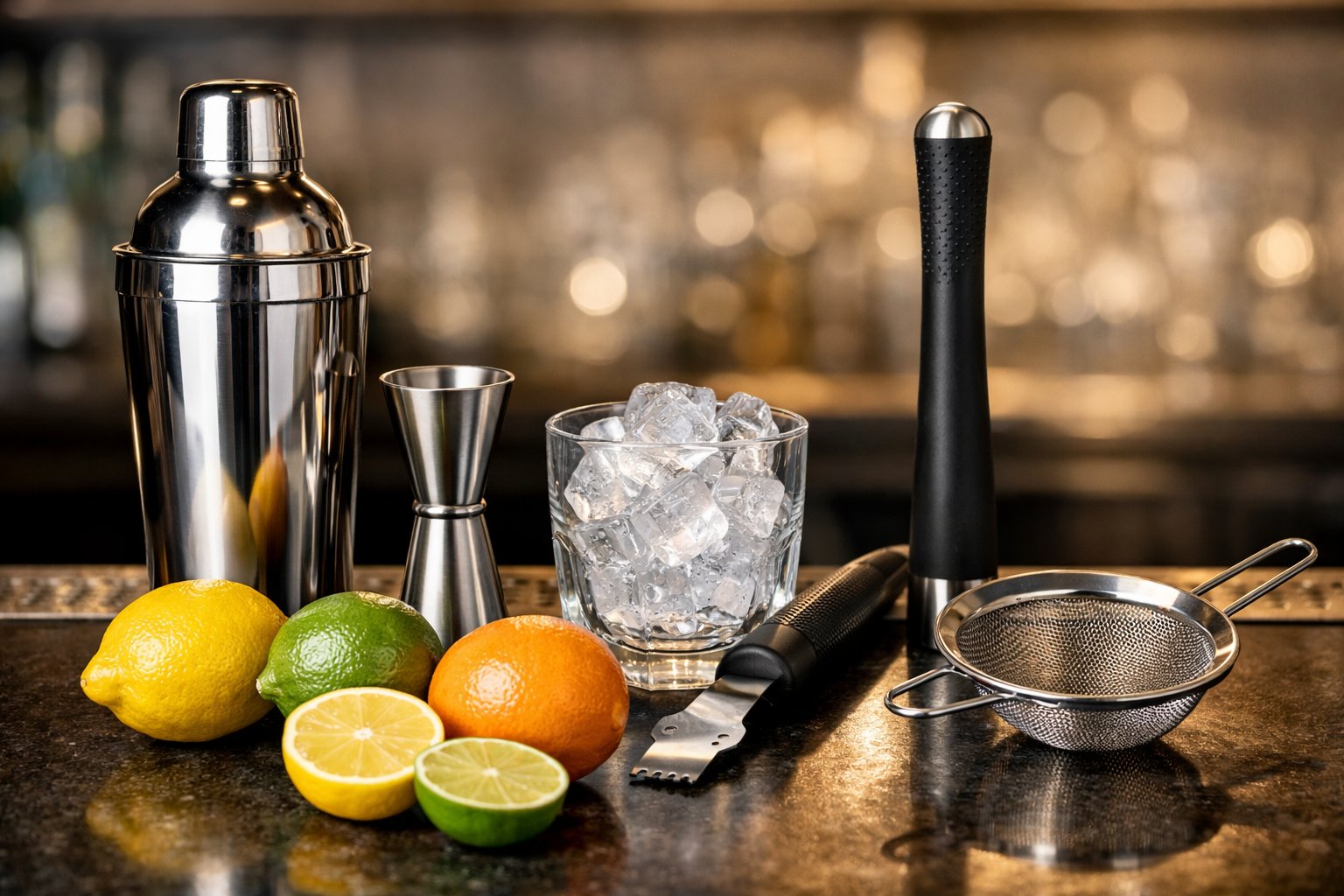
Ice and citrus preparation requires specific tools that separate amateur drinks from professional-quality cocktails. The right equipment ensures proper dilution, temperature control, and bright citrus flavors in every glass.
Selecting and Using Ice Tools
Ice tools transform standard frozen water into an essential cocktail ingredient. An ice scoop handles ice hygienically and prevents contamination from hands. Ice molds create different shapes that affect how quickly drinks dilute.
Sphere ice molds produce large round cubes that melt slowly in stirred cocktails like Old Fashioneds. These spheres keep drinks cold longer without watering them down too fast. Standard ice molds work well for shaken drinks that need smaller cubes.
A lewis bag paired with a mallet crushes ice to the perfect consistency for drinks like Mint Juleps. The canvas bag contains ice while the bartender strikes it with the mallet. This creates crushed ice that chills drinks quickly.
Ice crushers offer a faster alternative to manual crushing. They break down ice cubes into small pieces within seconds. Clear ice makes drinks look more professional and melts slower than cloudy ice from standard freezers.
Citrus Juicers for Fresh Ingredients
Fresh citrus juice forms the backbone of many cocktails, making quality citrus juicers essential. A handheld citrus reamer works well for juicing one or two drinks. It extracts juice directly into the glass or shaker.
Citrus presses provide more leverage and efficiency for higher volume needs. Metal lemon squeezers make quick work of juicing lemons, limes, and small oranges while trapping seeds and pulp in the bottom cup. This means only pure juice enters the cocktail.
Electric citrus juicers speed up the process for busy home bars or parties. They handle large quantities without tiring out the bartender's hands. Most professional bartenders keep both manual and electric options available depending on their needs.
Peelers and Zesters for Garnishes
Peelers and zesters create professional-looking garnishes that add aroma and visual appeal. A citrus zester removes thin strips of peel that contain flavorful oils. These tools help bartenders create citrus twists that express oils over finished drinks.
A sharp peeler removes wider strips of citrus peel for larger garnishes. The peel can be twisted over the glass to release oils before dropping it in. A paring knife offers more control for cutting precise citrus wheels or wedges.
Channel knives cut decorative strips from citrus fruits for spiraled garnishes. Y-peelers work better than traditional peelers for removing thin layers without the bitter white pith. Garnish tools like zesters and peelers prepare citrus fruits properly for cocktails.
Selecting the Right Glassware for Every Cocktail
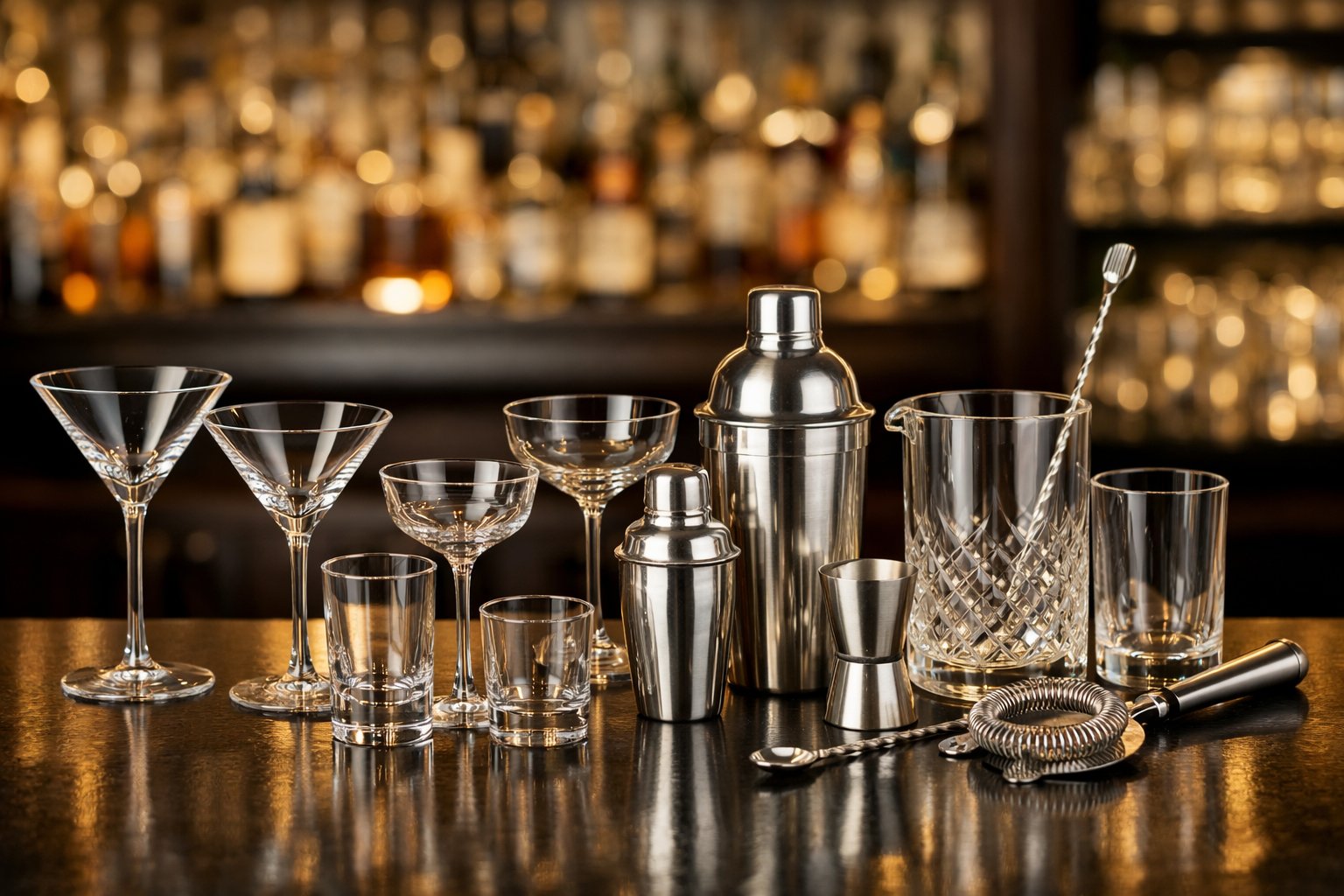
The glass you choose affects how a cocktail looks, smells, and tastes. Different drinks work best in specific glasses because the shape controls temperature, aroma release, and carbonation.
Classic Cocktail Glasses
A martini glass features a wide, cone-shaped bowl on a long stem. This design keeps drinks cold while preventing hand warmth from affecting the cocktail. The wide opening releases aromatic compounds, making it ideal for spirit-forward cocktails.
Coupe glasses offer a vintage alternative with their shallow, rounded bowl. These glasses work well for champagne cocktails, daiquiris, and other shaken drinks served without ice. The shorter bowl reduces spillage compared to martini glasses.
A highball glass holds 8 to 12 ounces and suits tall drinks with mixers. Mojitos, gin and tonics, and rum and cokes belong in highball glasses. The narrow shape preserves carbonation longer.
The rocks glass, also called an old fashioned glass, holds 6 to 10 ounces. Its short, wide design accommodates large ice cubes for drinks served on the rocks. Whiskey drinks, negronis, and margaritas on the rocks use this style.
Mixing Glass Versus Serving Glass
A mixing glass is a separate tool from serving glassware. Bartenders use it to stir drinks like martinis and manhattans before straining them into serving glasses. The clear design lets you see the ingredients as they mix.
Most mixing glasses hold 16 to 24 ounces, giving enough room to stir without splashing. The glass works with a Hawthorne strainer or julep strainer to pour the finished cocktail into the proper serving glass. Never use your mixing glass as a drinking vessel.
The Role of Shot Glasses in Home Bartending
Shot glasses serve two purposes at a home bar. They measure spirits and liqueurs when making cocktails, though jiggers offer more precision. Standard shot glasses hold 1.5 ounces.
These small glasses also present layered shots and straight pours of liquor. Understanding different glassware types helps bartenders create better drinks. Keep several shot glasses on hand for group service and quick measurements when a jigger isn't available.
Building and Maintaining Your Home Bar Setup
A functional home bar setup requires thoughtful organization and regular upkeep of bar tools. Professional bartenders rely on systematic arrangements and consistent maintenance routines to ensure efficiency during service.
Establishing an Efficient Home Bar
The foundation of successful home bartending starts with selecting the right location. A home mixologist should choose a spot with easy access to water and electricity, particularly when preparing blended drinks or frozen margaritas.
Essential components include:
- A dedicated surface area of at least 24 inches wide
- Proper lighting to see measurements clearly
- Storage for spirits, mixers, and garnishes
- A small refrigerator or ice bucket within reach
Bar carts offer portable solutions for smaller spaces. They allow home bartenders to move their setup between rooms during gatherings. Fixed locations like kitchen counters or converted furniture pieces work well for permanent installations.
Organization matters significantly when mixing multiple drinks. Grouping items by function helps speed up preparation. Keep the best cocktail shakers and jiggers together. Store spirits by type and keep bottle openers near beer and wine storage. Fresh ingredients for mojitos and whiskey sours should stay refrigerated until needed.
Tips from Professional Bartenders
Professional bartenders arrange their workspace using the mise en place principle. This French culinary term means "everything in its place." They position frequently used tools within arm's reach and organize ingredients before starting any drink preparation.
The professional approach divides cocktails into categories. Shaken drinks like margaritas and whiskey sours require different preparation than stirred cocktails such as martinis and negronis. Setting up distinct zones for each technique streamlines the mixing process.
Key professional practices:
| Practice | Benefit |
|---|---|
| Pre-batch citrus juice | Saves time during service |
| Chill glassware | Improves drink temperature |
| Prepare garnishes ahead | Speeds up finishing touches |
| Use speed pourers | Controls liquid flow |
Home mixologists should establish a pre-service routine. This includes checking ice supplies, confirming all spirits are stocked, and preparing fresh garnishes. Professional bartenders never start a shift without verifying their tools are clean and functional.
Maintaining and Caring for Your Tools
Proper maintenance extends the life of bar tools significantly. Cocktail shakers require thorough cleaning after each use to prevent residue buildup. Hand washing with warm soapy water works better than dishwashers for most metal components.
Daily maintenance tasks:
- Rinse all tools immediately after use
- Dry metal shakers completely to prevent water spots
- Wipe down jiggers and strainers with a clean cloth
- Empty and clean ice buckets
Stainless steel tools need periodic deep cleaning with white vinegar to remove mineral deposits. Soak items for 15 minutes then scrub with a soft brush. Boston shakers and mixing glasses should be inspected regularly for chips or cracks that could cause injury.
Wooden muddlers and cutting boards require different care than metal tools. Oil them monthly with food-grade mineral oil to prevent splitting. Store bar tools in a dry location away from direct heat sources. Sharp tools like peelers and knives need regular honing to maintain their edges for preparing garnishes efficiently.
I hope this helps!
Mohalo!
Dave